Eighty years ago, the Canadian government set up a new immigration programme. It was known as Operation Daddy. In February 1946 the first group of war brides under its auspices arrived from England at Pier 21 in Halifax. From there, they went by train across Canada.
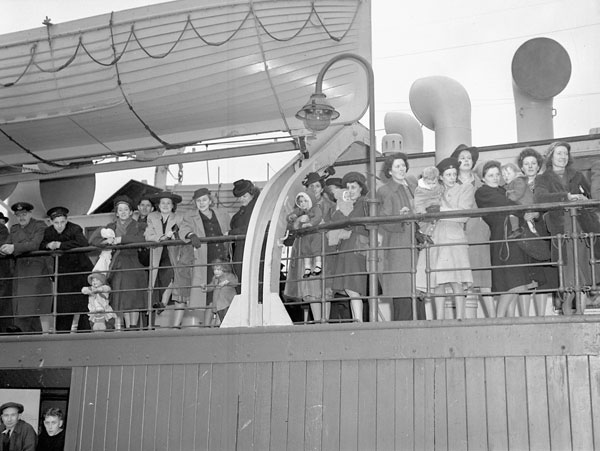
These weren’t the first new family members of Canadian servicemen to arrive in Canada, nor would they be the last. From 1942 to 1948, over 43,000 wives of servicemen came to Canada. With them came about 122,000 children. Another 800 or so women came to Newfoundland, not then part of Canada.
The women were from the UK, Europe and wherever the war was fought. There they had met and married Canadian servicemen. With the war over and their husbands back home, or heading home, they too came to Canada. There were “male war brides” too, men who married Canadian servicewomen and came with them to Canada. Although there weren’t as many, they received the same assistance as the women.
War brides weren’t part of a migrating group that chose its spot and settled. Nor could they choose to come to a spot where they already had family or friends. As is inherent in the name, this was an individual migration. Each went to wherever their spouse lived. That meant being scattered across the country, maybe the only one in their new community.
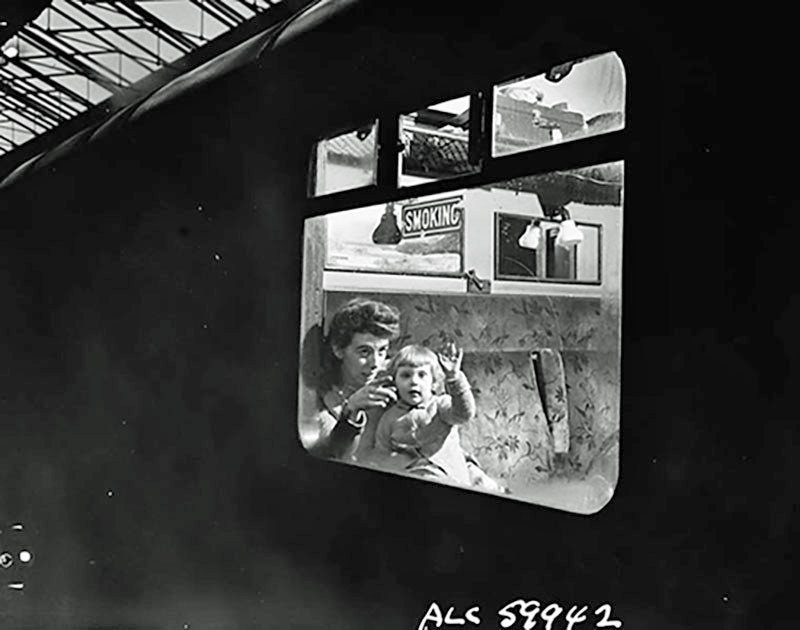
War Brides Associations
But they did find each other, through their own volition and with help from government. War Brides Associations were founded across the country.
Every war, of course, has had war brides. But this influx during and after World War II was, in Canada, the largest ever. With such a large number, the government and Canadian Armed Forces helped them come to Canada and settle in here. And the women organized themselves before they left home, learning what they could about the country to which they were going. They made friends on the ship and train journeys and later in their new homes. Many stayed in touch, individually and through the war brides associations for the rest of their lives.
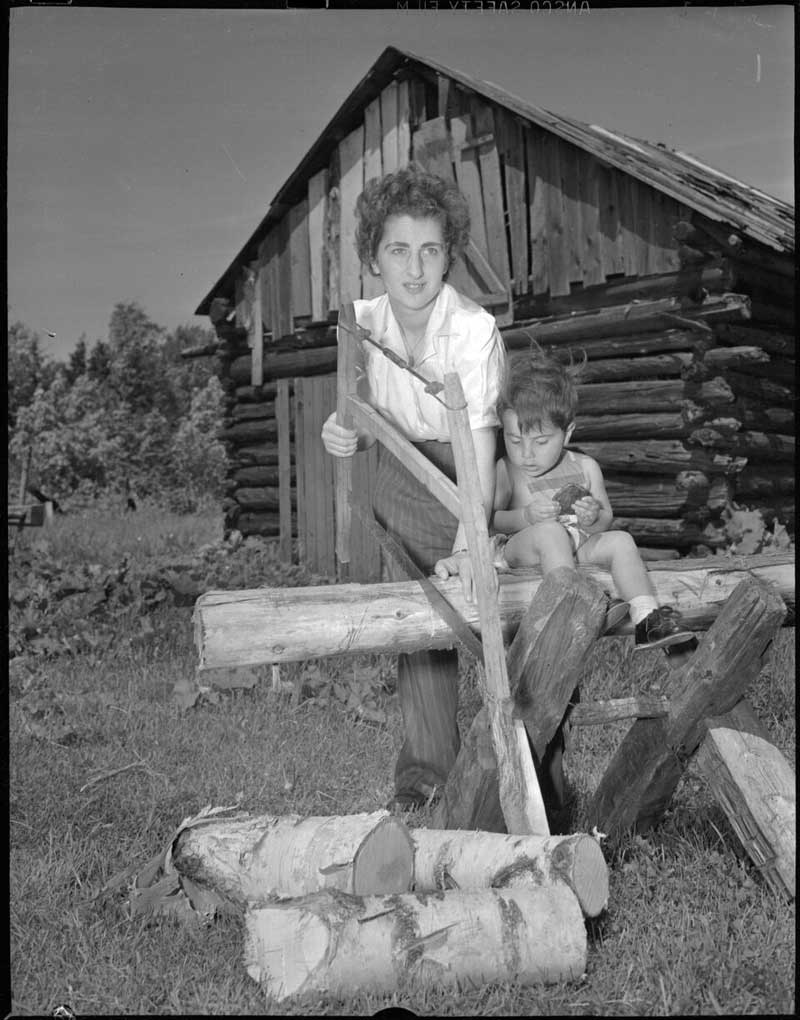
Not all war brides stayed. Some couldn’t adjust to Canada. Some missed their families and old homes too much. For some, the soldier they married wasn’t the same man as the one they now lived with. While the government provided help in getting to Canada, you were on your own if you decided to leave. Probably the War Brides Associations helped a lot with both: adjusting to Canada and leaving if that was the decision made. They provided a bit of “over ‘ome” time for women who often didn’t get back home for many years.
Historic National Event
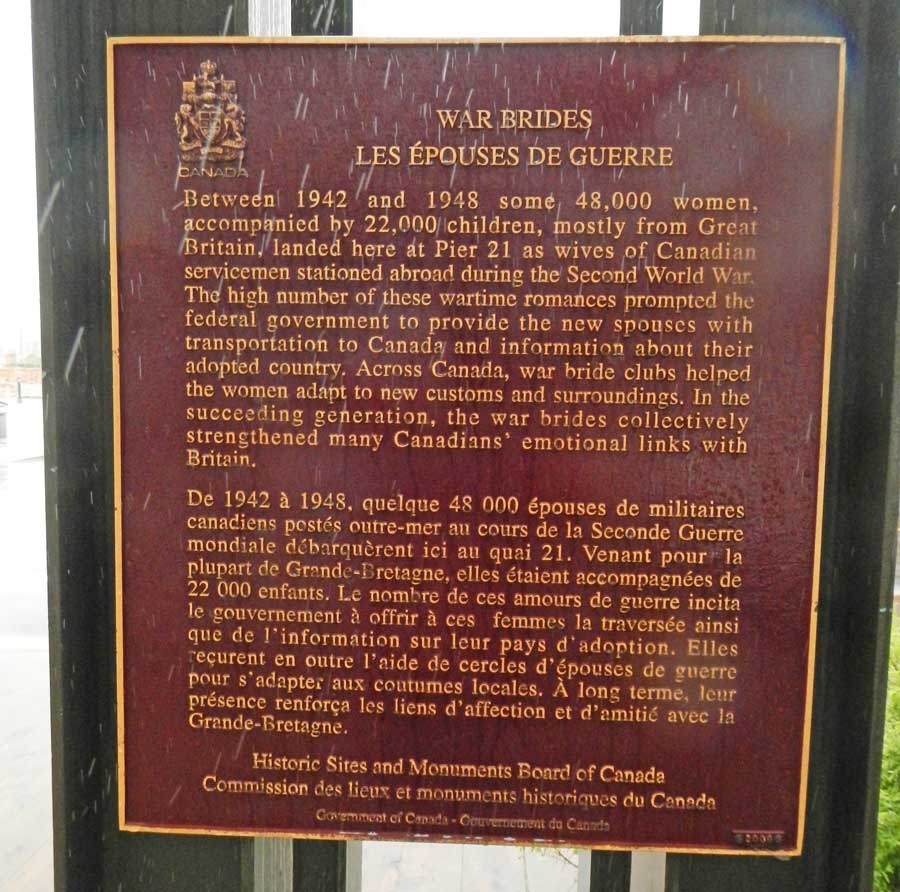
Parks Canada in 2022 designated the War Brides as a National Historic Event. There is a plaque in their honour in Halifax at Pier 21. The number of war brides still alive is unknown but estimates are that it’s fewer than 1,000.
- The Canadian Museum of Immigration at Pier 21 has stories online of many individual women. So too does Alberta’s South Peace Regional Archives.
- A good overview of WWII war brides is given in the Canadian Encyclopedia. And, as its subtitle says, Canadian War Brides is “the authoritative source of information on the Canadian War Brides of WWII.” Also see NL War Brides for more on Newfoundland.


